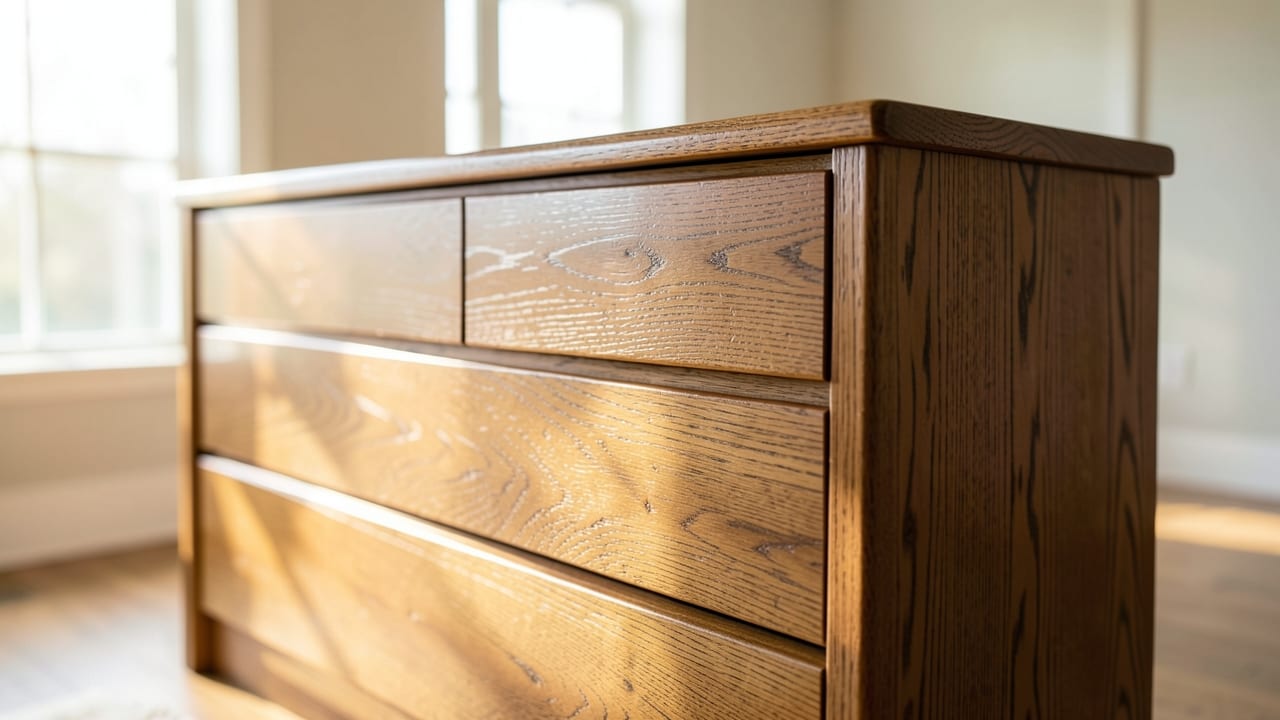
Wood Furniture Mold Remediation
Professional removal and treatment of mold from wood furniture to restore safety and appearance.
Wood furniture mold remediation in Indian Shores, FL targets mold growth embedded in porous surfaces like wood, ensuring thorough removal while preserving the piece’s structure. This process includes containment, HEPA filtration, and moisture control to prevent recurrence and maintain your furniture’s integrity.
Proper techniques are essential for restoring affected items safely and effectively in your home.
We also handle Stairwell Mold Remediation and Balcony Mold Cleanup for Indian Shores properties.
When is wood furniture mold remediation needed?
Mold on wood furniture often starts as a small, isolated patch but can quickly spread if moisture remains. Signs that professional remediation is necessary include mold covering more than a small area, persistent regrowth after cleaning, or a musty smell with no visible mold.
In Florida, mold covering over 25 contiguous square feet typically requires licensed remediation, as outlined in state regulations.
Hidden moisture sources, such as leaks or poor ventilation, often cause mold to return. Rooms with stagnant air—like closets or windowless bathrooms—are particularly prone to mold growth. Addressing the moisture issue alongside remediation helps prevent future problems and extends the life of your furniture.
Signs Professional Remediation Is Needed
- Mold covers more than a small, isolated patch (over 25 square feet in Florida).
- Mold keeps returning after cleaning, indicating an unresolved moisture source.
- A musty smell persists with no visible mold, suggesting hidden growth.
- Wood furniture feels damp or soft, signaling deep mold penetration.
What affects pricing and timing?
Pricing for wood furniture mold remediation in Indian Shores varies based on the extent of mold damage, the type of wood, and whether additional treatments—like refinishing or reupholstering—are required. Most projects are priced per piece or per project rather than by square footage, as each item requires a unique approach.
Timing depends on the severity of the mold, drying requirements, and whether structural repairs are needed. Containment, HEPA filtration, and clearance testing add time but ensure thorough remediation. Expect a site visit first to assess the scope before finalizing costs.
Why containment and testing matter
Containment prevents mold spores from spreading to unaffected areas during remediation. Plastic sheeting and negative-air machines seal the work zone, while HEPA-filtered air scrubbers capture spores that would otherwise circulate. Skipping these steps risks contaminating other parts of your home.
Clearance testing by an independent lab confirms mold levels are safe after remediation. Without testing, there’s no way to verify whether the job addressed the problem fully. Florida law also prohibits the same company from assessing and remediating the same property within a year, ensuring unbiased results.
A torn plastic barrier or open door during remediation can release spores into your home, turning a contained job into a larger infestation. Always ensure the crew maintains proper containment to protect unaffected areas.
How wood furniture mold remediation works
This process ensures mold is removed safely and thoroughly from your furniture while preserving its structure.
- 1Containment Setup
Plastic sheeting and negative-air machines seal the work area to prevent spores from spreading. This step keeps mold confined while removal begins.
- 2Mold Removal and Treatment
Mold-infested wood is cleaned with antimicrobial solutions and HEPA-filtered tools. Non-porous surfaces are scrubbed, while porous materials may need replacement if mold has penetrated deeply.
- 3Structural Drying
Industrial dehumidifiers and air movers dry the wood and surrounding area to prevent moisture from fueling regrowth. Proper drying ensures the finish lasts longer.
- 4HEPA Filtration and Vacuuming
HEPA air scrubbers and vacuums capture spores during the process. Standard vacuums or non-HEPA filters recirculate spores, making them ineffective.
- 5Clearance Testing
An independent lab tests the area post-remediation to confirm mold levels are safe. This step verifies the job’s effectiveness before containment is removed.
Frequently asked questions
Can I clean mold off wood furniture myself, or do I need a professional?
Small patches of mold on non-porous surfaces can sometimes be cleaned with vinegar or hydrogen peroxide, but deep penetration or large areas require professional remediation. Florida law mandates licensed work for mold covering over 25 square feet, and improper handling can spread spores.
How long does wood furniture mold remediation take?
Timing varies based on the extent of damage, drying requirements, and whether structural repairs are needed. Containment, HEPA filtration, and clearance testing typically add several days to the process, but a site visit is required first to assess the scope.
Will my wood furniture look the same after remediation?
Results depend on the depth of mold penetration and the wood’s condition. Surface-level mold may be refinished to match the original appearance, while deep damage could require reupholstering or replacement. A professional can assess whether restoration is possible during the initial inspection.
How can I prevent mold from returning after remediation?
Fixing the moisture source—like leaks, poor ventilation, or grading issues—is critical. Using dehumidifiers or fans in damp areas and monitoring humidity levels helps prevent recurrence. Florida’s humid climate makes ongoing moisture control especially important.
Where Indian Shores sits, and what the Census lists nearby
Indian Shores sits in Florida, and the closest places listed in the U.S. Census Gazetteer are Redington Shores (1.6 miles southeast), North Redington Beach (2.7 miles southeast), Indian Rocks Beach (2.9 miles north), Ridgecrest (3.4 miles northeast).
Within 25 miles of Indian Shores the same source lists 47 distinct incorporated places and census-designated places.
Those figures matter for wood furniture mold remediation because they are straight-line distances between Census coordinate points: road mileage between Indian Shores and Redington Shores runs longer than the 1.6 miles shown, which is why quotes for the same job differ between towns that look close together on a map.
Source: U.S. Census Bureau Gazetteer.
See South Highpoint, FL for more, or find out about our full crew's Indian Shores services step by step for our complete lineup.
Ready to get started?
Talk to a local mold remediation pro in Indian Shores — get a written quote.
Other Mold Remediation Services in Indian Shores
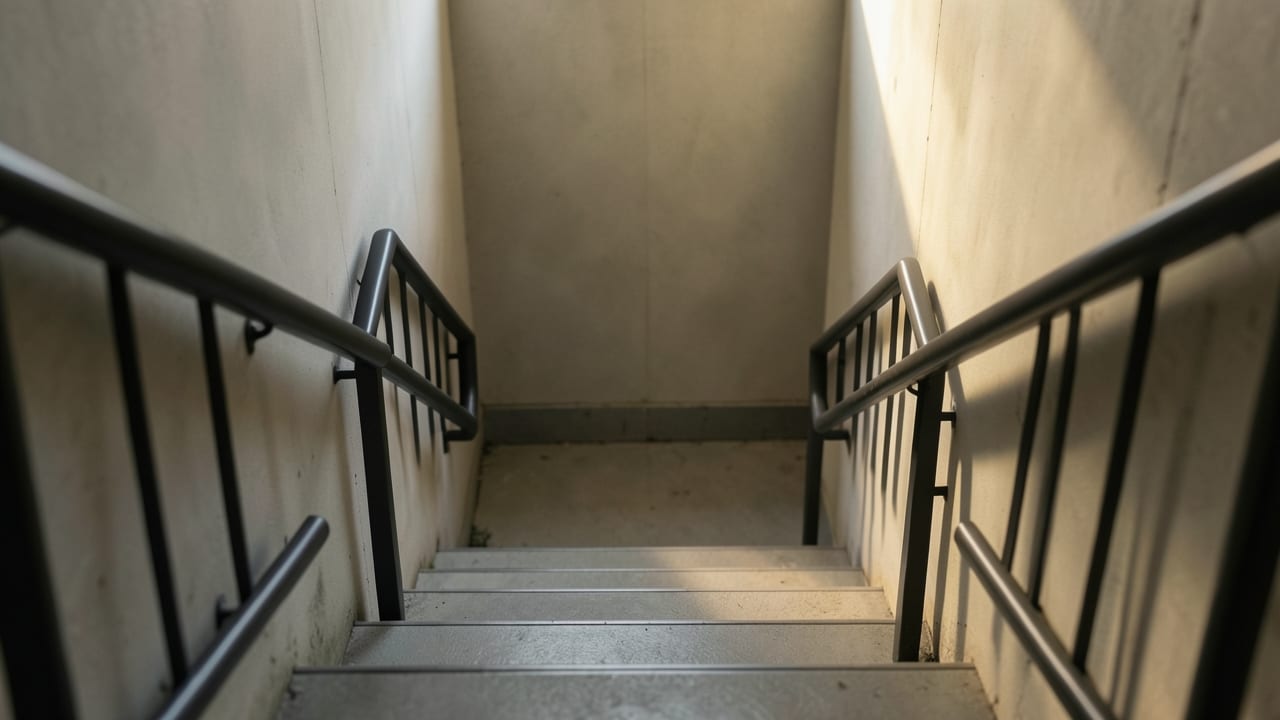
Stairwell Mold Remediation in Indian Shores, FL
Professional mold removal and prevention in stairwells to restore safe, clean spaces.
Learn More
Balcony Mold Cleanup in Indian Shores, FL
Professional removal and treatment of mold growth on balconies and adjacent structures.
Learn More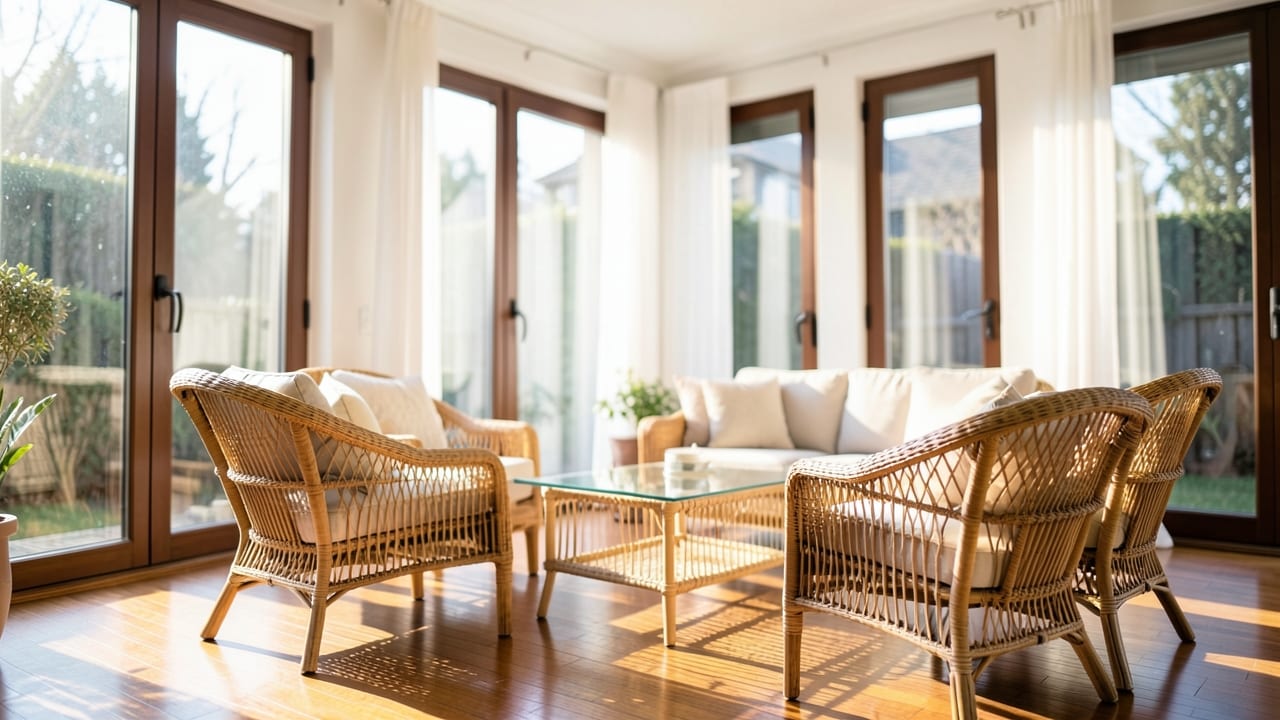
Sunroom Mold Remediation in Indian Shores, FL
Professional removal and treatment of mold in sunrooms to restore a safe, clean space.
Learn More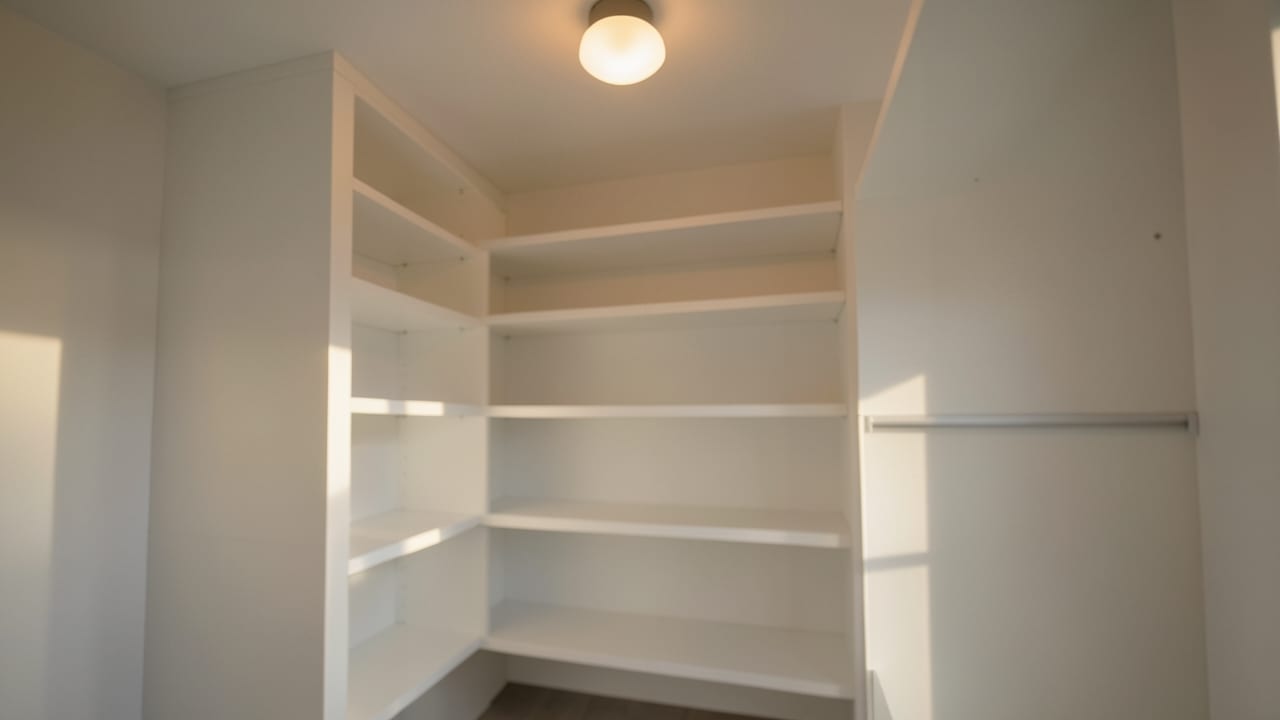
Closet Mold Cleanup in Indian Shores, FL
Professional cleanup and removal of mold from closets to restore safe, healthy spaces.
Learn More
Pantry Mold Treatment in Indian Shores, FL
Professional assessment and removal of mold in pantry areas to restore a safe, clean space.
Learn More
Hallway Mold Remediation in Indian Shores, FL
Professional removal and treatment of mold growth in residential hallways.
Learn MoreCommon Questions About Mold Remediation in Indian Shores
Everything you need to know about mold remediation services in Indian Shores
How much does Wood Furniture Mold Remediation typically cost in Indian Shores, FL?
Why does Indian Shores, FL's humidity make mold a bigger risk than in drier regions?
Can small mold problems be handled without hiring anyone?
What's the actual difference between mold removal and mold remediation?
Is a final clearance test part of a typical mold remediation job?
How does mold remediation actually prevent the problem from coming back?
Need Mold Remediation in Indian Shores?
Connect with local providers in Indian Shores for a detailed quote.
⏰ We answer your call • Serving all of Indian Shores and surrounding areas